
Century Auto Clinic
Century Auto Clinic has the latest electronic diagnostic equipment and machinery which ensures that faults are pin-pointed correctly the first time and repaired without comeback. We pride ourselves in our workmanship and offer 6 month / 10 000 km warranty, whichever comes first.
SERVICES OFFERED
- Regular maintenance services
- Major maintenance services
- Mechanical repairs
- Engine overhauls
- Gearbox repairs
- Water pumps
- Cambelts
- Vehicle diagnostic analysis
- Radiators
- Cylinder heads
- Auto electricals
- Clutch & brakes
- Suspension repairs
- Diff repairs
- Shocks
- Wheel bearings
- CV joints
- Tie rod ends
- Ball joints
- Drive shafts
- Carburettors
- All vehicle related repairs
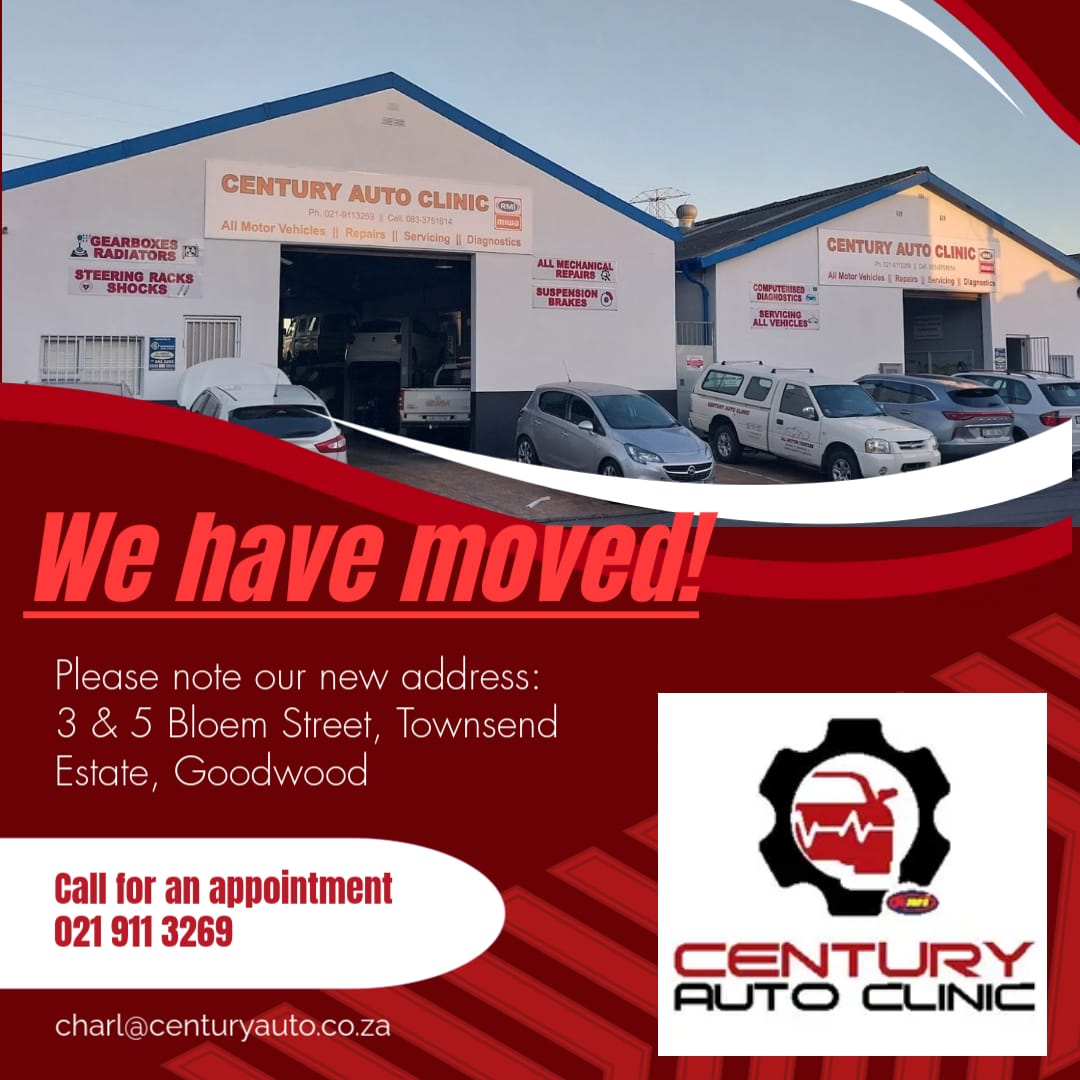


Congratulations to our lucky winners!
1st prize R1000 : Timothy Merrick
2nd prize, lube service value R600 for Phumlani Namba
3rd prize cash price R500 for Etienne Brits

About Century Auto Clinic
Our staff is sent on regular courses to ensure that their competency is of the highest quality and to keep up to speed with today’s exponentially improving technology. We repair all makes and models of vehicles. From old classic vehicles built in the 1800’s to today’s high-tech machines. We specialize in vehicles that have past their factory guarantee and where owners expect the same service and guarantee as when their vehicles were under factory guarantee.
Servicing vehicles out of factory guarantee, especially BMW’s, Audi’s and
Mercedes Benz’s can be expensive. We can service your vehicles for up to a 1/3 of the price that you would have paid at the agents, while still using original parts. The largest costing component for the repairs of any vehicle is labour. As a general rule our labour rate is approximately half that of agents.
Everyone who uses a vehicle on the road must keep it in a roadworthy condition. Century Auto Clinic offers a Free 101 Point Check and supply a comprehensive report with findings. Looking at today’s road accident records, 50% of all accidents occur due to vehicles not being roadworthy. Driving a roadworthy vehicle is not only important for the lives of yourself and the public but also your family.
Our Certifications
At Century Auto Clinic, we’re proud to hold various industry-recognized certifications that demonstrate our commitment to quality, safety, and excellence. These certifications include:
– Motor Industry Workshop Association (MIWA) Code Of Ethics.
– Retail Motor Industry (RMI) Code Of Conduct.
– RMI Certificate Of Membership.
– MIWA 5-STAR Graded Workshop.
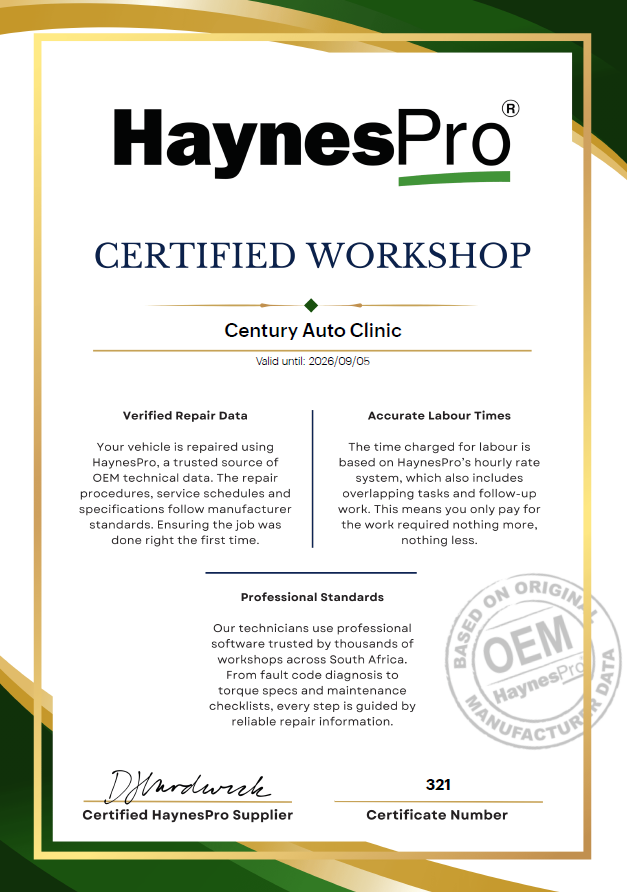
– Haynes Pro Certified Workshop to service and repair vehicles to Original Equipment Manufacturers (OEM) specifications.
These certifications are a testament to our dedication to maintaining the highest standards in the industry. By choosing Century Auto Clinic, you can trust that your vehicle is in good hands and that we’re committed to providing you with exceptional service and quality workmanship.
In addition to these certifications, our technicians also hold various individual certifications, such as:
– Automotive Service Excellence (ASE) certifications.
– Manufacturer-specific certifications.
– Advanced diagnostic and repair certifications.
We’re proud to display these certifications in our workshop and on our website, as they demonstrate our commitment to ongoing training, education, and improvement
SERVICES OFFERED

Brakes
Brake replacement is a vital maintenance task that ensures your vehicle’s safety and performance! Over time, brake pads and rotors wear out due to friction and heat, leading to reduced stopping power and potentially dangerous situations.
Some common signs that indicate brake replacement is necessary include:
- Squealing or grinding noises when applying the brakes
- Spongy brake pedal feel
- Vibration or pulsation when braking
- Illumination of the brake warning light on the dashboard
- Visible wear on brake pads or rotors
When replacing brakes, it’s essential to use high-quality components that meet or exceed original equipment manufacturer (OEM) standards. A professional mechanic can inspect your brake system and provide recommendations on the best replacement parts and procedures.
Remember, brake safety is paramount! Neglecting brake maintenance can lead to increased stopping distances, accidents, and even fatalities. Stay safe on the road by prioritizing brake replacement when needed.

Clutch repairs & replacements
Clutch replacements are a crucial aspect of vehicle maintenance! A clutch replacement is typically needed when the clutch wears out, causing issues with shifting gears and transmitting power from the engine to the wheels. Symptoms of a worn-out clutch may include slipping or shuddering when shifting gears, difficulty pressing the clutch pedal down, or a grinding noise when shifting.
Replacing the clutch typically involves removing the transmission, inspecting and replacing other worn-out components like the flywheel and pressure plate, and installing a new clutch disc. It’s essential to address clutch problems promptly, as a failed clutch can lead to further damage to the transmission and other components.
If you’re experiencing clutch issues, it’s best to consult a professional mechanic for a proper diagnosis and replacement. They can assess the condition of your clutch and provide guidance on the best course of action.

Turbo repairs & replacements
Turbo repairs and replacements are specialized services that require expertise and precision! A turbocharger is a critical component of a vehicle’s engine, responsible for compressing air and forcing it into the engine’s combustion chamber, resulting in increased power and efficiency.
Here are some key aspects of turbo repairs and replacements:
Common Issues with Turbos:
1. Turbo failure: Turbo failure can occur due to various reasons, including excessive carbon buildup, oil starvation, or foreign object damage.
2. Turbocharger bearing failure: Worn or damaged bearings can cause the turbo to fail, resulting in costly repairs.
3. Turbo oil leaks: Oil leaks can occur due to worn or damaged seals, causing damage to the turbo and engine.
4. Carbon buildup: Excessive carbon buildup can cause the turbo to become inefficient, leading to reduced engine performance.
Turbo Repair Options:
1. Turbo rebuilding: Rebuilding a turbo involves replacing worn or damaged components, such as bearings, seals, and compressor wheels.
2. Turbo replacement: In some cases, it may be more cost-effective to replace the turbocharger entirely, especially if the damage is extensive.
3. Turbo refurbishment: Refurbishing a turbo involves cleaning, inspecting, and replacing worn or damaged components to restore its original performance.
Importance of Proper Turbo Maintenance:
1. Regular oil changes: Regular oil changes can help prevent turbo oil leaks and damage.
2. Proper engine tuning: Proper engine tuning can help prevent excessive carbon buildup and turbo failure.
3. Regular inspections: Regular inspections can help identify potential issues before they become major problems.
Benefits of Turbo Repairs and Replacements:
1. Improved engine performance: A well-maintained or replaced turbo can improve engine performance, increasing power and efficiency.
2. Reduced emissions: A functioning turbo can help reduce emissions, making your vehicle more environmentally friendly.
3. Increased fuel efficiency: A well-maintained turbo can help improve fuel efficiency, saving you money on fuel costs.
4. Extended engine life: Proper turbo maintenance and repairs can help extend the life of your engine, reducing the need for costly repairs.
By prioritizing turbo repairs and replacements, you can ensure your vehicle’s engine runs smoothly, efficiently, and reliably.

Minor & Major Services
Minor and major engine services are essential maintenance tasks that help keep your vehicle’s engine running smoothly, efficiently, and reliably! Regular engine services can help prevent costly repairs, reduce the risk of breakdowns, and ensure your vehicle remains safe to drive.
Minor Engine Services:
Minor engine services typically include routine maintenance tasks that help keep your engine in good working condition. These services may include:
1. Oil changes: Regular oil changes help lubricate engine components, prevent corrosion, and reduce wear and tear.
2. Filter replacements: Replacing air, fuel, and oil filters helps ensure your engine receives the clean air, fuel, and oil it needs to run efficiently.
3. Spark plug replacements: Spark plugs ignite the fuel-air mixture in your engine’s cylinders. Worn-out spark plugs can reduce engine performance and efficiency.
4. Belt replacements: Replacing serpentine belts and other engine belts helps prevent breakdowns and ensures your engine’s accessories, such as the alternator and water pump, function properly.
Major Engine Services:
Major engine services involve more extensive repairs or replacements of engine components. These services may include:
1. Engine overhauls: An engine overhaul involves rebuilding or replacing major engine components, such as piston rings, cylinders, and valves.
2. Cylinder head repairs: Cylinder head repairs involve fixing or replacing damaged or worn-out cylinder head components, such as valves, guides, and seals.
3. Engine block repairs: Engine block repairs involve fixing or replacing damaged or worn-out engine block components, such as cylinders, pistons, and crankshafts.
4. Timing belt or chain replacements: Replacing the timing belt or chain helps prevent engine damage and ensures proper engine timing.
Benefits of Regular Engine Services:
Regular engine services offer numerous benefits, including:
1. Improved engine performance: Regular engine services help ensure your engine runs smoothly and efficiently.
2. Increased fuel efficiency: A well-maintained engine can help improve fuel efficiency, saving you money on fuel costs.
3. Reduced emissions: Regular engine services can help reduce emissions, making your vehicle more environmentally friendly.
4. Extended engine life: Regular engine services can help extend the life of your engine, reducing the need for costly repairs or replacements.
5. Improved safety: A well-maintained engine can help ensure your vehicle remains safe to drive, reducing the risk of breakdowns and accidents.
By prioritizing regular engine services, you can help keep your vehicle’s engine running smoothly, efficiently, and reliably, while also reducing the risk of costly repairs and ensuring your safety on the road.

Oil Pumps
Oil pumps are a vital component of your vehicle’s engine, responsible for circulating engine oil throughout the engine to lubricate moving parts, prevent corrosion, and regulate engine temperature! A well-functioning oil pump is essential for maintaining your engine’s health, performance, and longevity.
Here are some key aspects of oil pumps:
Types of Oil Pumps:
1. Mechanical oil pumps: Driven by the engine’s crankshaft, these pumps use a mechanical system to circulate oil.
2. Electric oil pumps: Powered by an electric motor, these pumps offer improved efficiency and reduced parasitic loss.
3. Twin oil pumps: Some engines use two oil pumps, one for the main engine and another for the turbocharger or other accessories.
Common Issues with Oil Pumps:
1. Low oil pressure: Insufficient oil pressure can cause engine damage, increased wear, and reduced performance.
2. Oil leaks: Leaks in the oil pump or related components can cause oil loss, damage, and environmental hazards.
3. Noise or vibration: Unusual noises or vibrations from the oil pump can indicate wear, misalignment, or other issues.
4. Clogged oil filter or passages: Restricted oil flow can cause engine damage, reduced performance, and increased emissions.
Symptoms of a Failing Oil Pump:
1. Engine noise or knocking: Unusual engine noises can indicate low oil pressure or poor lubrication.
2. Increased engine temperature: Elevated engine temperatures can cause damage, reduced performance, and increased emissions.
3. Reduced engine performance: Decreased power, rough idling, or stalling can indicate oil pump failure.
4. Oil leaks or stains: Visible oil leaks or stains can indicate oil pump failure or related component damage.
Importance of Oil Pump Maintenance:
1. Regular oil changes: Regular oil changes help maintain clean oil and reduce wear on the oil pump.
2. Oil filter replacements: Replacing the oil filter regularly helps ensure clean oil flow and reduces the risk of clogged passages.
3. Oil pump inspection: Regular inspections can help identify potential issues before they become major problems.
By prioritizing oil pump maintenance and addressing any issues promptly, you can help ensure your engine runs smoothly, efficiently, and reliably, while also extending its lifespan and reducing the risk of costly repairs.

Gearbox rebuild, repairs or replacement
Gearbox repairs! A crucial aspect of vehicle maintenance that can be quite complex and costly if not addressed promptly. Here’s a rundown on gearbox repairs:
Types of Gearbox Repairs
1. Manual Transmission Repairs: Manual transmissions are generally more straightforward to repair than automatics. Common issues include worn-out clutch packs, damaged gear teeth, and faulty synchronizers.
2. Automatic Transmission Repairs: Automatic transmissions are more complex and often require specialized tools and expertise. Common issues include faulty torque converters, worn-out gear sets, and malfunctioning valve bodies.
3. Semi-Automatic and Continuously Variable Transmission (CVT) Repairs: These types of transmissions are less common but still require specialized knowledge and tools.
Common Gearbox Problems
1. Leaking Fluid: Gearbox fluid leaks can cause damage to the transmission and surrounding components.
2. Strange Noises: Grinding, whining, or clunking sounds can indicate worn-out or damaged gearbox components.
3. Slipping or Hesitation: If the gearbox slips or hesitates when shifting gears, it may indicate worn-out clutch packs or faulty gear sets.
4. Difficulty Shifting: If the gearbox is difficult to shift or gets stuck in gear, it may indicate a faulty synchronizer or worn-out gear teeth.
Repair Options
1. Rebuilding: Rebuilding the gearbox involves replacing worn-out or damaged components with new or refurbished parts.
2. Replacing: In some cases, it may be more cost-effective to replace the entire gearbox rather than repairing it.
3. Refurbishing: Refurbishing involves cleaning, inspecting, and replacing worn-out components to restore the gearbox to its original condition.
Prevention is Key
1. Regular Maintenance: Regular gearbox maintenance, such as fluid changes and filter replacements, can help prevent costly repairs.
2. Drive Smoothly: Avoid sudden acceleration, hard braking, and sharp turns, as these can put excessive stress on the gearbox.
3. Monitor Fluid Levels: Regularly check gearbox fluid levels to ensure they are at the recommended level.
By being aware of these common gearbox problems and taking preventive measures, you can help extend the life of your vehicle’s gearbox and avoid costly repairs.

Engine overhauls
Engine overhauls are a comprehensive and complex process of rebuilding or replacing major engine components to restore the engine’s original performance, efficiency, and reliability! An engine overhaul is a significant undertaking that requires specialized expertise, equipment, and attention to detail.
Here are some key aspects of engine overhauls:
Reasons for an Engine Overhaul:
1. High Mileage: Engines with high mileage may require an overhaul to replace worn-out components and prevent further damage.
2. Engine Failure: A seized engine, blown head gasket, or cracked block may necessitate an overhaul.
3. Poor Performance: Engines with poor performance, reduced power, or decreased fuel efficiency may benefit from an overhaul.
4. Oil Leaks or Consumption: Excessive oil leaks or consumption can indicate worn engine components, requiring an overhaul.
Process of an Engine Overhaul:
1. Disassembly: The engine is disassembled, and components are inspected for wear, damage, or corrosion.
2. Cleaning and Machining: Engine components are cleaned, machined, or replaced as needed.
3. Reassembly: The engine is reassembled with new or reconditioned components, and tolerances are set to manufacturer specifications.
4. Testing and Break-In: The overhauled engine is tested, and a break-in period is recommended to ensure proper seating of new components.
Benefits of an Engine Overhaul:
1. Restored Performance: An overhauled engine can restore original performance, power, and efficiency.
2. Increased Reliability: A rebuilt engine can provide increased reliability, reducing the risk of breakdowns and costly repairs.
3. Improved Fuel Efficiency: An overhauled engine can improve fuel efficiency, reducing fuel costs and environmental impact.
4. Cost-Effective: In some cases, an engine overhaul can be more cost-effective than replacing the engine or vehicle.
Things to Consider:
1. Choose a Reputable Mechanic: Select a qualified and experienced mechanic with expertise in engine overhauls.
2. Use OEM or High-Quality Components: Ensure that only original equipment manufacturer (OEM) or high-quality components are used in the overhaul.
3. Follow Manufacturer Guidelines: Adhere to manufacturer guidelines and recommendations for the overhaul process.
4. Warranty and Support: Consider a mechanic or shop that offers a warranty and support for their work.
By understanding the process and benefits of an engine overhaul, you can make informed decisions about repairing or replacing your engine, and get back on the road with a reliable and efficient vehicle.
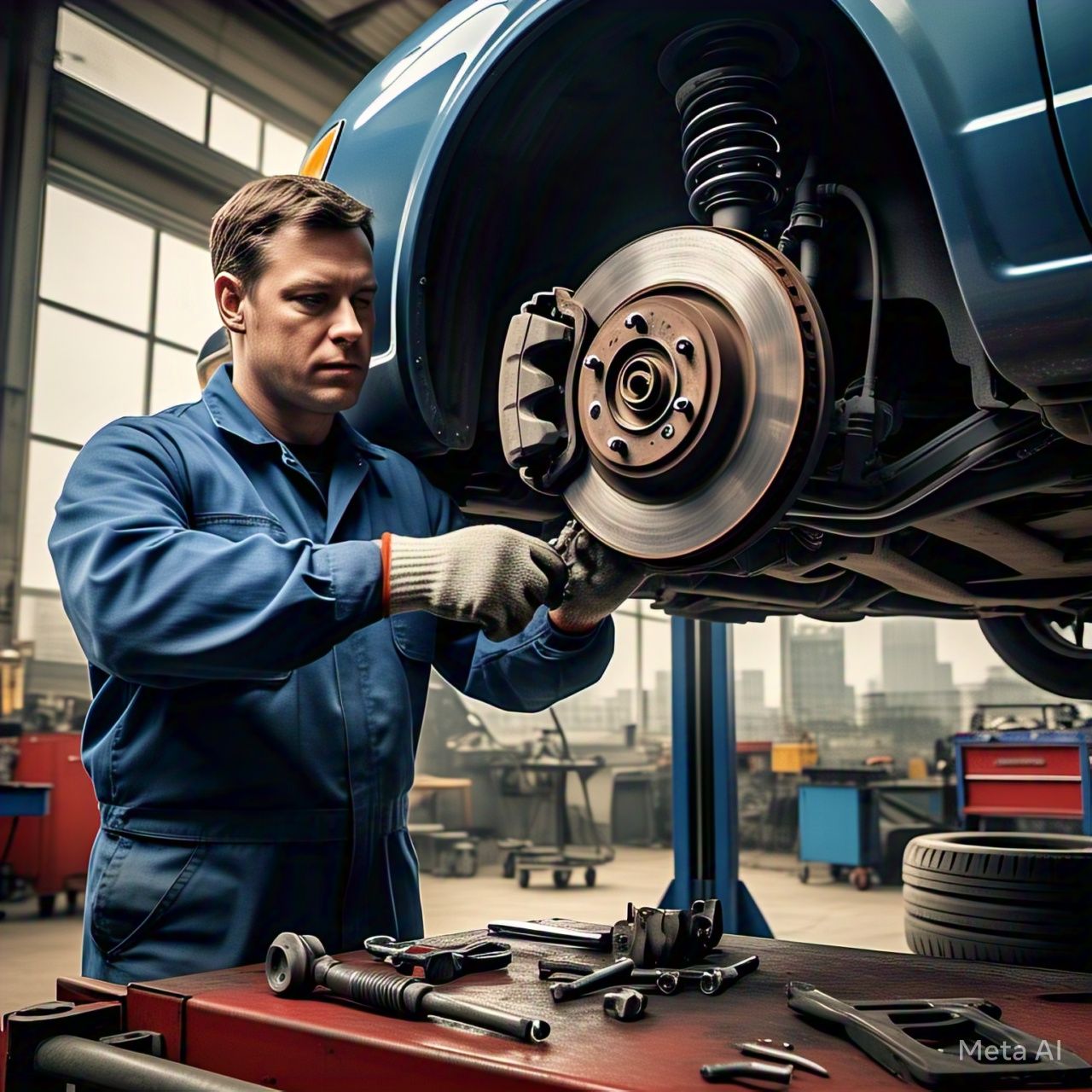
Suspension repairs and replacements
Suspension repairs! A vital aspect of vehicle maintenance that ensures a smooth ride, stable handling, and most importantly, safety on the road. Here’s a comprehensive overview of suspension repairs:
Types of Suspension Repairs
1. Shock Absorber Repairs: Shock absorbers help control the movement of the suspension and vehicle. Leaks, worn-out seals, or damaged rods can compromise their effectiveness.
2. Spring Repairs: Coil springs, leaf springs, or torsion bars can become worn out, damaged, or corroded, affecting the vehicle’s ride height and stability.
3. Strut Repairs: MacPherson struts or coil-over struts can leak, become damaged, or wear out, requiring replacement or repair.
4. Control Arm Repairs: Control arms, also known as A-arms, can become worn out, damaged, or corroded, affecting the vehicle’s alignment and stability.
5. Bushings and Mounts Repairs: Worn-out or damaged bushings and mounts can cause vibrations, noise, and uneven tire wear.
Common Suspension Problems
1. Uneven Tire Wear: Worn-out or uneven tire wear can indicate suspension problems, such as misaligned wheels or worn-out bushings.
2. Vibrations or Noise: Vibrations or unusual noises while driving can signal worn-out or damaged suspension components.
3. Ride Height Issues: If the vehicle’s ride height is uneven or sagging, it may indicate worn-out or damaged springs or struts.
4. Pulling or Drifting: If the vehicle pulls or drifts while driving, it can indicate worn-out or damaged control arms or bushings.
Repair Options
1. Replacement: Replacing worn-out or damaged suspension components with new or refurbished parts.
2. Rebuilding: Rebuilding suspension components, such as shock absorbers or struts, with new seals, bushings, or other parts.
3. Alignment: Adjusting the vehicle’s alignment to ensure proper wheel positioning and even tire wear.
Prevention is Key
1. Regular Maintenance: Regularly inspecting and maintaining suspension components can help prevent costly repairs.
2. Avoiding Potholes: Avoiding potholes and road hazards can help reduce the risk of suspension damage.
3. Driving Smoothly: Driving smoothly and avoiding sudden movements can help reduce stress on suspension components.
By being aware of these common suspension problems and taking preventive measures, you can help ensure a smooth ride, stable handling, and safety on the road.

Wiper blades
Wiper replacement is a simple yet crucial maintenance task that ensures clear visibility while driving! Windshield wipers play a vital role in removing rain, snow, and debris from the windshield, providing a clear view of the road ahead.
Over time, wiper blades can become worn and damaged, leading to streaks, smudges, and reduced visibility. Some common signs that indicate wiper replacement is necessary include:
– Chattering or skipping sounds when the wipers are in use
– Streaks or smudges left on the windshield
– Cracks or tears in the wiper blades
– Reduced wiper performance during rain or snow
Replacing windshield wipers is a relatively straightforward process that can be done at home with a few tools. However, if you’re not comfortable with DIY car maintenance, it’s always best to consult a professional mechanic.
When selecting replacement wiper blades, look for ones that are designed for your vehicle’s specific make and model. Some popular types of wiper blades include:
– Traditional frame-style wipers
– Beam-style wipers with a single, sleek design
– Winter wipers with specialized blades for improved snow and ice removal
Remember, clear visibility is essential for safe driving! Don’t wait until it’s too late – replace your windshield wipers today and enjoy a clearer view of the road ahead.
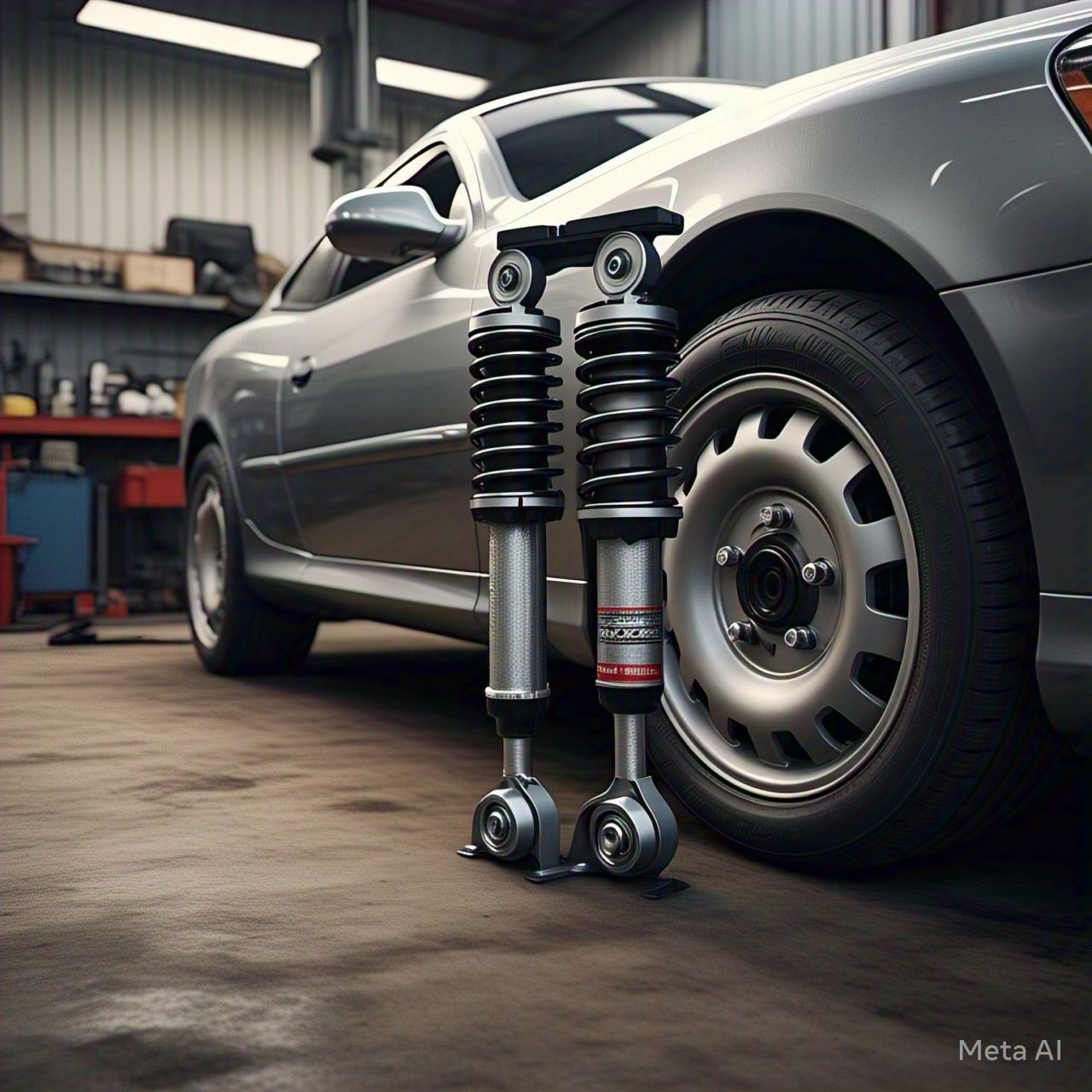
Shock Absorbers
Shock absorbers replacement is a vital maintenance task that ensures a smooth ride, improved handling, and enhanced safety! Shock absorbers, also known as dampers, play a crucial role in controlling the movement of your vehicle’s suspension, absorbing bumps and vibrations from the road.
Over time, shock absorbers can wear out, leading to a range of problems, including:
- A bumpy or unstable ride
- Reduced handling and stability, especially when cornering or braking
- Increased stopping distances
- Uneven tire wear
- Noise and vibration when driving over bumps
If you notice any of these symptoms, it’s likely that your shock absorbers need to be replaced. It’s essential to address this issue promptly, as worn-out shock absorbers can lead to further damage to your vehicle’s suspension, steering, and tires.
When replacing shock absorbers, it’s recommended to do so in pairs (either both front or both rear) to maintain even handling and stability. Additionally, consider upgrading to high-performance or heavy-duty shock absorbers if you drive in harsh conditions or carry heavy loads.
Some signs that indicate shock absorbers replacement is necessary include:
- Oil leaks or signs of physical damage
- Rust or corrosion on the shock absorber body
- Excessive play or movement in the suspension
- Age and mileage (typically, shock absorbers last around 50,000 to 80,000 miles)
Remember, replacing your shock absorbers can greatly improve your vehicle’s overall performance, safety, and ride comfort. If you’re unsure about the condition of your shock absorbers or need assistance with replacement, consult a professional mechanic.

Wheel bearings
Wheel bearing replacement is a crucial maintenance task that ensures your vehicle’s safety, performance, and reliability! Wheel bearings play a vital role in supporting the weight of your vehicle, allowing smooth rotation of the wheels, and maintaining proper wheel alignment.
Over time, wheel bearings can wear out due to friction, heat, and moisture, leading to a range of problems, including:
– Grinding or screeching noises when driving or turning
– Vibration or shaking of the steering wheel or vehicle
– Play or looseness in the wheel
– Uneven tire wear
– Reduced fuel efficiency
– Increased risk of wheel failure or collapse
If you notice any of these symptoms, it’s essential to have your wheel bearings inspected and replaced by a qualified mechanic. Neglecting wheel bearing replacement can lead to catastrophic consequences, including wheel failure, loss of control, and accidents.
Some signs that indicate wheel bearing replacement is necessary include:
– Age and mileage (typically, wheel bearings last around 80,000 to 100,000 miles)
– Visible signs of wear, rust, or corrosion on the bearing or hub
– Excessive play or movement in the wheel
– Noise or vibration when driving
When replacing wheel bearings, it’s recommended to:
– Use high-quality, OEM-approved replacement bearings
– Replace both bearings on the same axle (if one bearing is worn, the other may be close behind)
– Inspect and replace other related components, such as the hub assembly or seals
Remember, wheel bearing replacement is a critical maintenance task that ensures your vehicle’s safety and performance. If you’re unsure about the condition of your wheel bearings or need assistance with replacement, consult a professional mechanic.
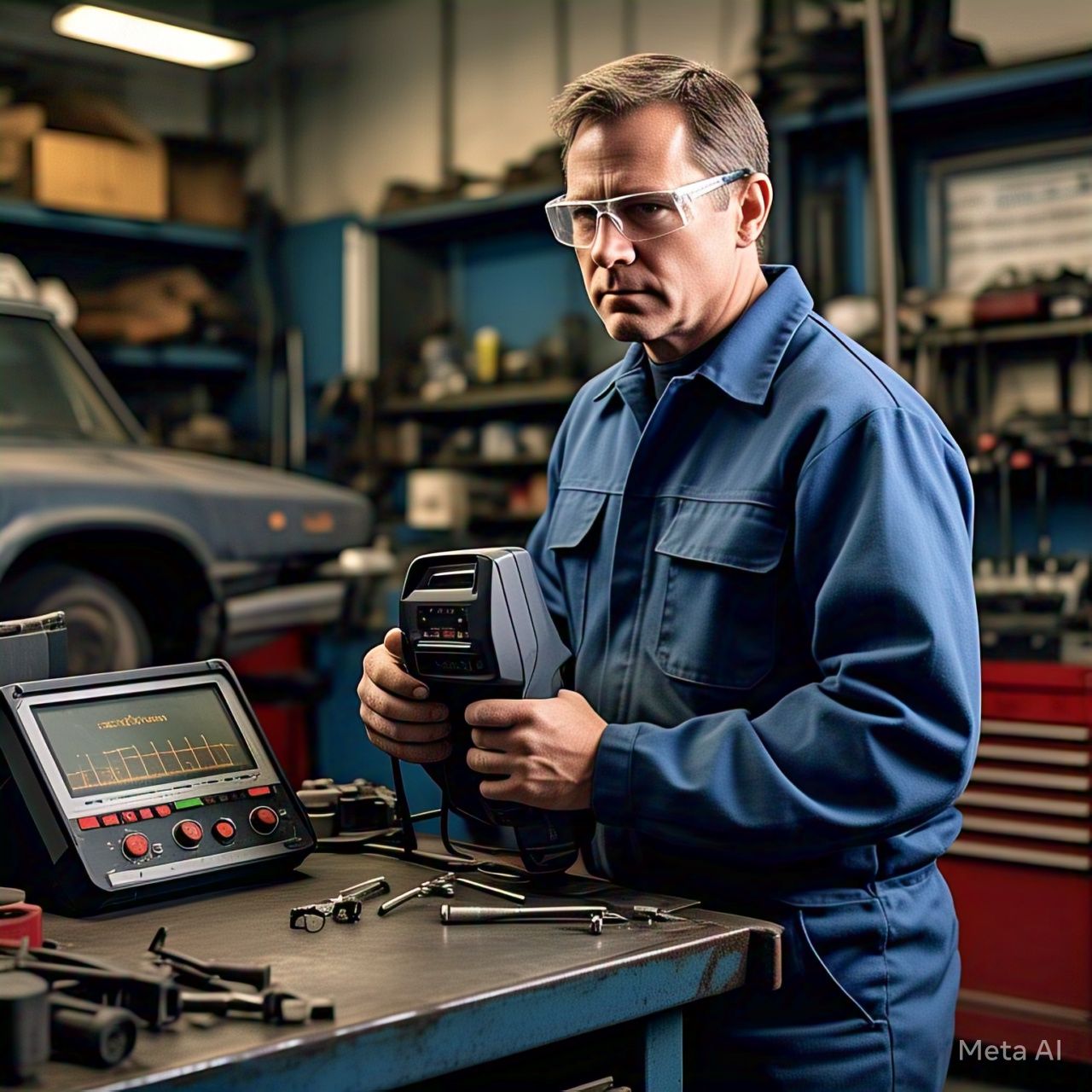
Advanced Electronic Vehicle Diagnostics and fault finding
Advanced electronic vehicle diagnostics and fault finding are crucial in today’s modern vehicles, which rely heavily on complex electronic systems to operate efficiently and safely. With the increasing sophistication of vehicle electronics, traditional diagnostic methods are no longer sufficient, and advanced diagnostic tools and techniques are necessary to accurately identify and repair faults.
Advanced electronic vehicle diagnostics involve using specialized equipment and software to communicate with the vehicle’s onboard computer systems, such as the Engine Control Module (ECM), Transmission Control Module (TCM), and Body Control Module (BCM). These systems monitor and control various vehicle functions, including engine performance, transmission shifting, braking, and safety features like airbags and anti-lock braking systems (ABS).
Using advanced diagnostic tools, technicians can:
1. Read and interpret trouble codes and live data from the vehicle’s computer systems.
2. Perform advanced tests, such as oscilloscope analysis and sensor testing.
3. Use specialized software to reprogram or update vehicle computer systems.
4. Conduct thorough inspections of vehicle electrical and electronic systems.
Fault finding in advanced electronic vehicles requires a systematic approach, combining technical knowledge, experience, and the use of advanced diagnostic tools. Technicians must be able to:
1. Analyze symptoms and trouble codes to identify potential causes.
2. Use diagnostic tools to gather data and perform tests.
3. Interpret results and eliminate potential causes.
4. Perform repairs and verify that the fault has been resolved.
Some common advanced electronic vehicle diagnostic techniques include:
1. CAN bus analysis: Monitoring communication between vehicle computer systems.
2. Oscilloscope analysis: Visualizing electrical signals to diagnose faults.
3. Sensor testing: Verifying sensor operation and accuracy.
4. Programming and reprogramming: Updating vehicle computer systems with new software or calibration data.
In summary, advanced electronic vehicle diagnostics and fault finding require specialized tools, techniques, and expertise to accurately identify and repair complex faults in modern vehicles.
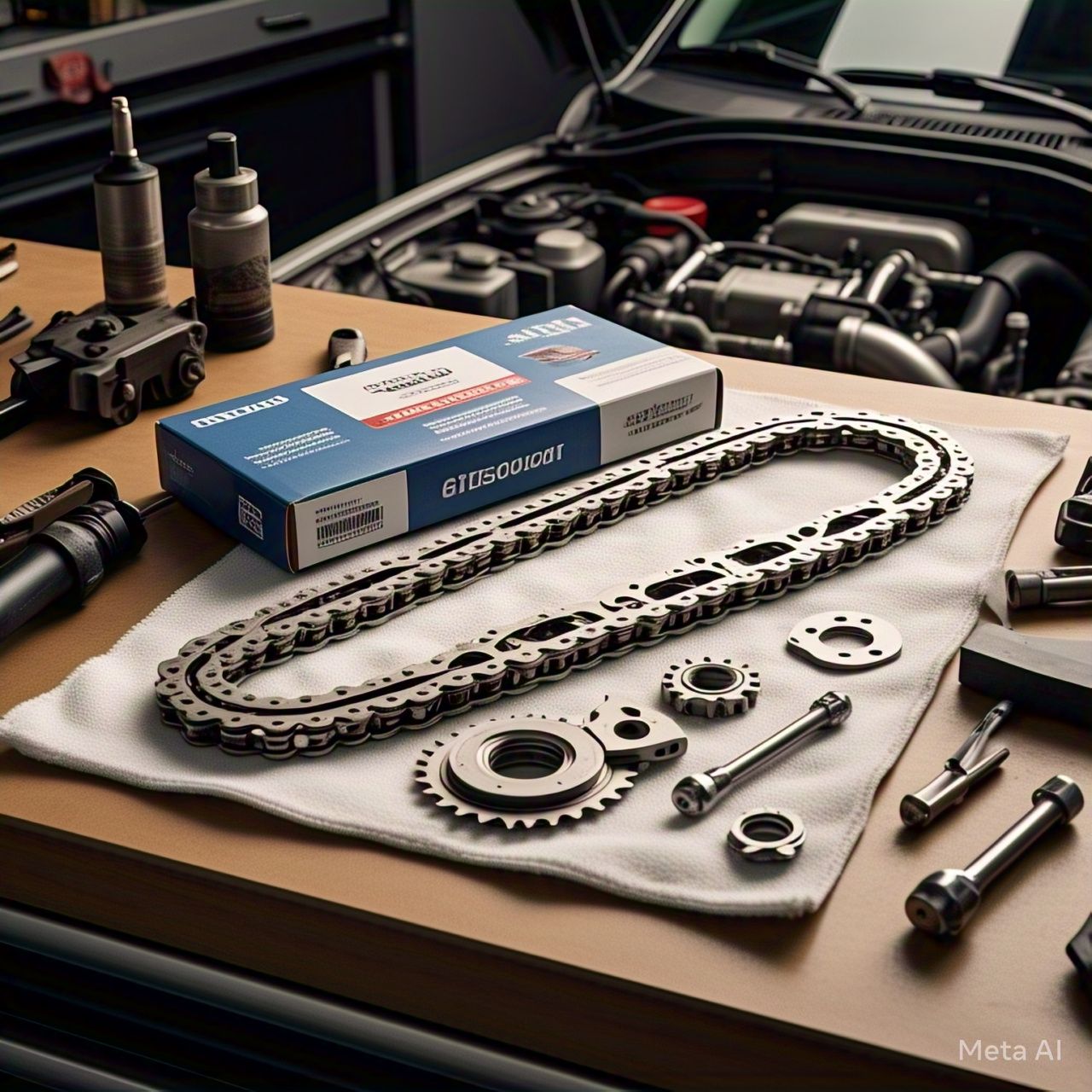
Cambelt and Timing chains
Cam belts and timing chain replacements are critical maintenance tasks that ensure the longevity and health of your vehicle’s engine! The cam belt, also known as the timing belt, and timing chain play a vital role in synchronizing the rotation of the crankshaft and camshaft, allowing the engine valves to open and close at the correct time.
Over time, the cam belt or timing chain can wear out, stretch, or break, leading to catastrophic engine damage, costly repairs, and potentially even engine failure. Some common signs of cam belt or timing chain wear include:
1. Squealing or grinding noises from the engine area
2. Engine misfires or rough idling
3. Loss of engine power or performance
4. Visible signs of wear, cracks, or frays on the cam belt
5. Engine oil leaks or contamination
Replacing the cam belt or timing chain is a complex task that requires specialized tools and expertise. It’s essential to follow the vehicle manufacturer’s recommended replacement interval, which typically ranges from 60,000 to 105,000 miles, depending on the make and model.
Some key considerations when replacing the cam belt or timing chain include:
1. Using high-quality, OEM-approved replacement parts
2. Inspecting and replacing other related components, such as the water pump, tensioner, and idler pulley
3. Verifying proper engine timing and alignment after replacement
4. Following proper installation procedures to avoid engine damage or premature wear
Neglecting cam belt or timing chain replacement can lead to severe consequences, including:
1. Engine failure or seizure
2. Costly repairs, potentially exceeding $5,000 or more
3. Potential safety risks, such as engine stalling or loss of control
Stay ahead of potential engine problems by prioritizing cam belt and timing chain replacements. Consult your vehicle’s owner’s manual or speak with a trusted mechanic to determine the best replacement schedule for your vehicle.

Water pumps and coolant service
Water pumps and coolant services are essential components of a vehicle’s cooling system, playing a crucial role in maintaining the engine’s optimal operating temperature. The water pump, also known as the coolant pump, is responsible for circulating coolant through the engine, radiator, and hoses, while the coolant itself absorbs and transfers heat away from the engine.
Over time, the water pump and coolant can deteriorate, leading to reduced cooling system performance, engine damage, and potentially catastrophic consequences, such as engine failure or overheating.
Some common signs of water pump or coolant system failure include:
1. Leaks or corrosion around the water pump or hoses
2. Coolant loss or low coolant levels
3. Overheating engine or temperature gauge readings
4. Rust or mineral buildup in the cooling system
5. Whining or grinding noises from the water pump
Regular coolant services can help prevent these issues and ensure the longevity of the cooling system. These services typically include:
1. Coolant flush and replacement: Draining the old coolant and replacing it with new, compatible coolant.
2. Water pump inspection and replacement: Visually inspecting the water pump for signs of wear or damage and replacing it if necessary.
3. Hose and belt inspection: Inspecting the condition and tension of the serpentine belt and coolant hoses.
4. Radiator cap testing: Verifying the radiator cap’s sealing ability to ensure proper cooling system pressure.
5. Cooling system pressure testing: Using specialized equipment to test the cooling system for leaks or blockages.
It’s recommended to follow the vehicle manufacturer’s recommended maintenance schedule for coolant services, which typically includes:
1. Coolant flush and replacement every 30,000 to 50,000 miles
2. Water pump inspection and replacement every 50,000 to 100,000 miles
3. Hose and belt inspection every 12,000 to 18,000 miles
Remember, neglecting water pump and coolant services can lead to costly repairs, engine damage, and even safety risks. Stay on top of your vehicle’s cooling system maintenance to ensure optimal performance, efficiency, and longevity.

Radiator repairs & replacements
Radiator repairs and replacements are essential to maintaining the health and performance of your vehicle’s cooling system! The radiator plays a critical role in dissipating heat from the engine, and a faulty or damaged radiator can lead to overheating, engine damage, and costly repairs.
Some common signs that indicate radiator repairs or replacement may be necessary include:
1. Leaks or corrosion around the radiator or hoses
2. Overheating engine or temperature gauge readings
3. Coolant loss or low coolant levels
4. Rust or mineral buildup in the cooling system
5. Visible damage or cracks in the radiator
Radiator repairs can be a cost-effective solution for minor issues, such as:
1. Replacing damaged or corroded hoses
2. Repairing or replacing the radiator cap
3. Cleaning or flushing the cooling system
However, in cases where the radiator is severely damaged or corroded, replacement may be the best option. Modern radiators are designed to be more efficient and durable, and replacing an old or damaged radiator can:
1. Improve engine performance and efficiency
2. Reduce the risk of overheating and engine damage
3. Enhance overall cooling system reliability
When replacing a radiator, it’s essential to:
1. Choose a high-quality, OEM-approved replacement radiator
2. Inspect and replace other related components, such as hoses and the radiator cap
3. Follow proper installation procedures to avoid leaks or other issues
Neglecting radiator repairs or replacement can lead to severe consequences, including:
1. Engine failure or damage
2. Costly repairs, potentially exceeding $1,000 or more
3. Potential safety risks, such as engine stalling or loss of control
Stay on top of your vehicle’s cooling system maintenance by addressing radiator issues promptly. Consult your vehicle’s owner’s manual or speak with a trusted mechanic to determine the best course of action for your vehicle.
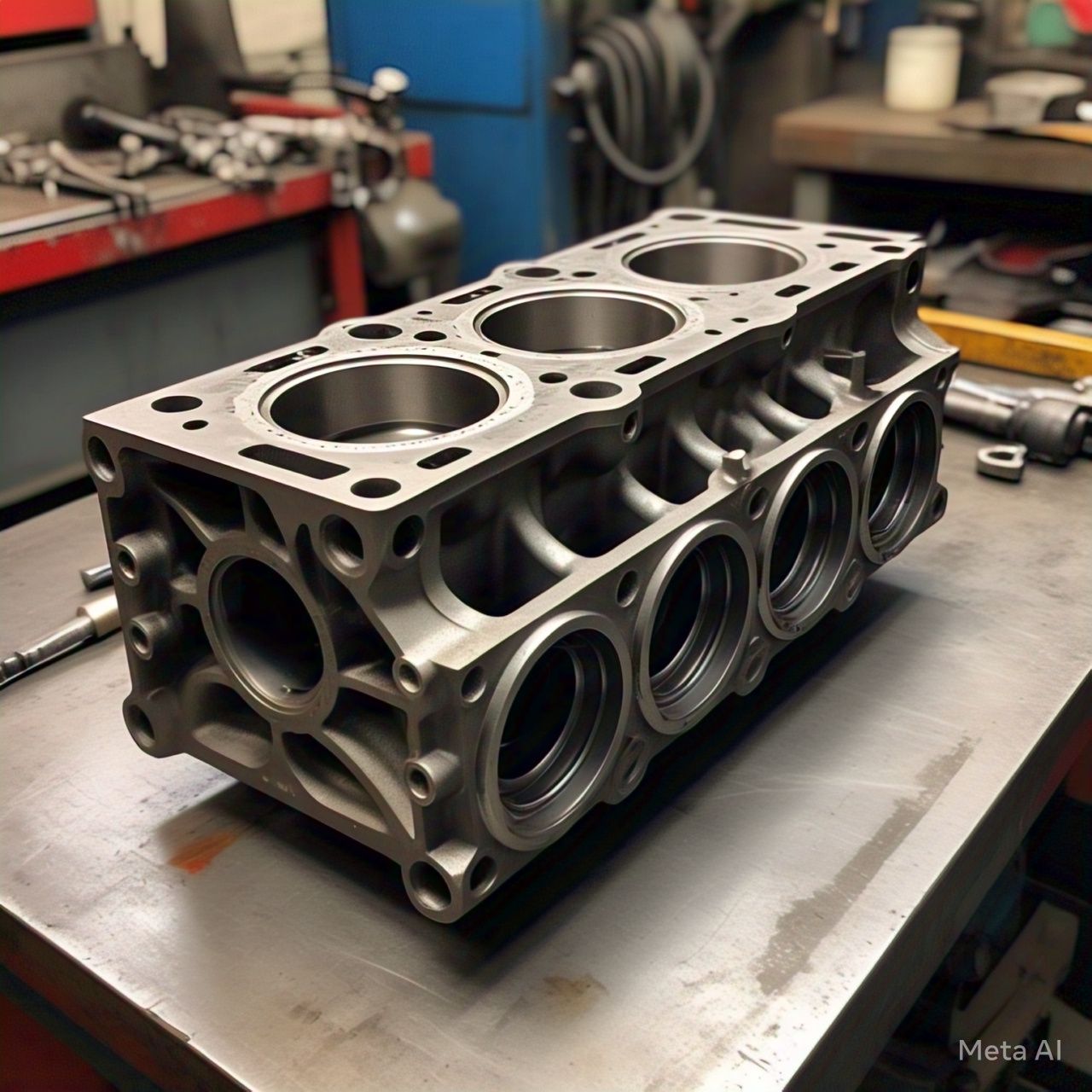
Cylinder heads overhaul and replacements
Cylinder head overhauls and replacement are critical repairs that require precision and expertise! The cylinder head is a vital component of your vehicle’s engine, responsible for sealing the combustion chamber, facilitating airflow, and ensuring proper engine performance.
Over time, the cylinder head can become damaged due to various factors, such as:
1. Engine overheating
2. Coolant leaks or corrosion
3. Engine oil leaks or contamination
4. Wear and tear on valve train components
5. Cracks or damage to the head itself
Symptoms of a faulty cylinder head may include:
1. Engine overheating or temperature fluctuations
2. Coolant leaks or loss of coolant
3. Engine oil leaks or contamination
4. Reduced engine performance or power
5. Rough idling or engine stalling
A cylinder head overhaul involves:
1. Disassembling and inspecting the head
2. Replacing damaged or worn-out components, such as valves, guides, and seals
3. Resurfacing or machining the head to ensure proper sealing and performance
4. Reassembling and testing the head
In some cases, cylinder head replacement may be necessary, especially if the damage is extensive or the head is cracked. Replacement involves installing a new or remanufactured cylinder head, which can be a costly but necessary repair.
It’s essential to address cylinder head issues promptly, as neglecting repairs can lead to:
1. Engine failure or seizure
2. Costly repairs, potentially exceeding $2,000 or more
3. Potential safety risks, such as engine stalling or loss of control
When performing a cylinder head overhaul or replacement, it’s crucial to:
1. Use high-quality, OEM-approved components
2. Follow proper repair procedures and torque specifications
3. Test the engine thoroughly to ensure proper performance and sealing
Consult a trusted mechanic or engine specialist for professional guidance and repair.
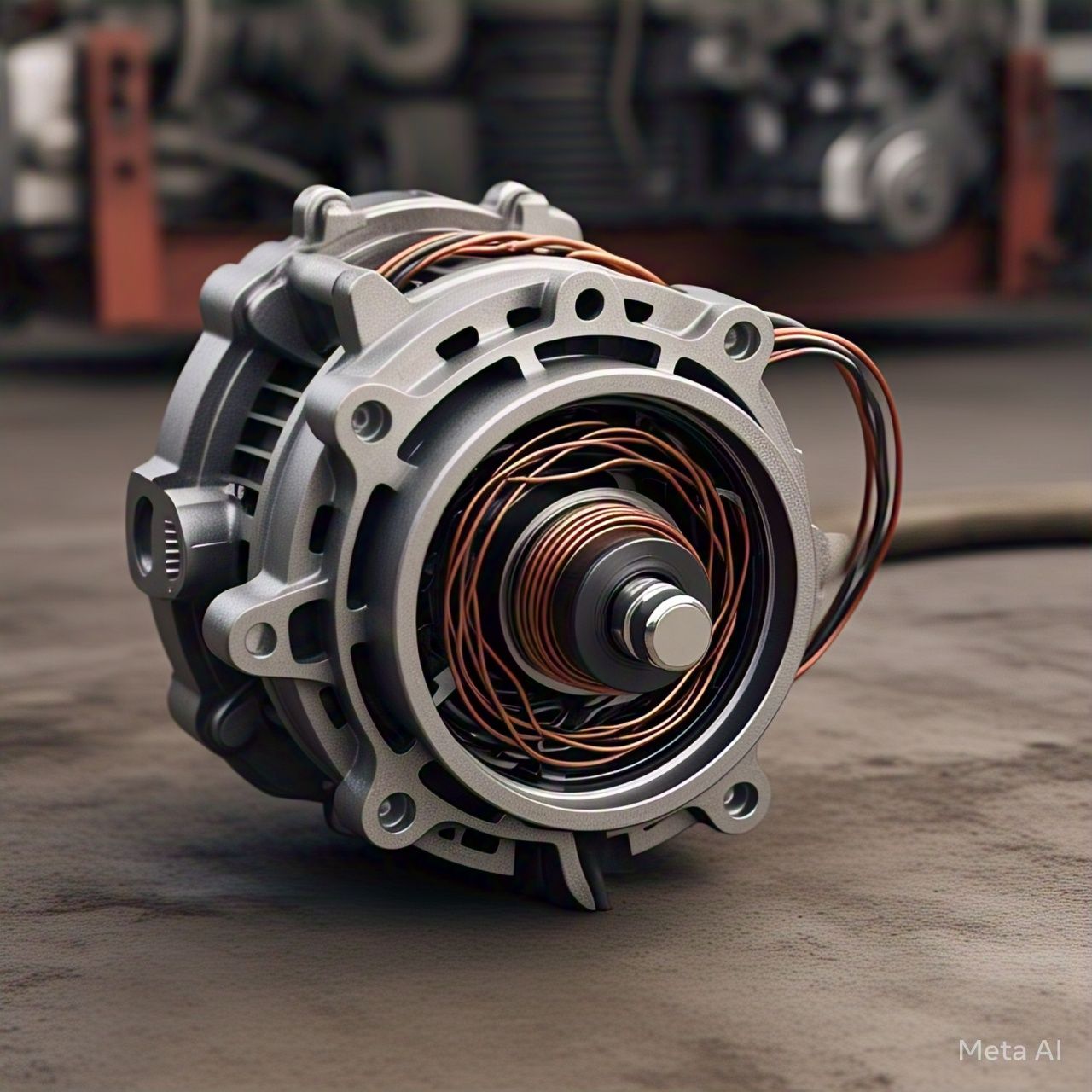
Auto-Electrical, alternators, starters, batteries, wiring, etc.
Auto-electrical systems are the backbone of modern vehicles, powering everything from the engine to the infotainment system! A well-functioning auto-electrical system is essential for safe and reliable vehicle operation.
Here are some key aspects of auto-electrical systems:
Alternators:
Alternators are responsible for charging the battery and powering the electrical system while the engine is running. Symptoms of a failing alternator include:
– Dim or flickering headlights
– Dead battery
– Whining or grinding noises
– Electrical system malfunctions
Starters:
The starter motor is responsible for turning the engine over during startup. Common issues with starters include:
– Clicking or grinding noises when turning the key
– Slow or labored engine crank
– Starter motor failure
Batteries:
The battery provides power to the starter motor and electrical system when the engine is off. Signs of a dying battery include:
– Slow engine crank
– Dim or flickering lights
– Electrical system malfunctions
– Swollen or leaking battery
Wiring and Electrical Systems:
The wiring and electrical systems in your vehicle are responsible for distributing power to various components. Issues with wiring and electrical systems can cause:
– Malfunctions or failures of electrical components
– Fuses blowing repeatedly
– Sparks or burning smells from electrical components
– Corrosion or wear on wiring and connections
Other auto-electrical components that may require attention include:
– Fuses and circuit breakers
– Relays and modules
– Sensors and actuators
– Lighting systems
Regular maintenance and inspections can help identify and address auto-electrical issues before they become major problems. If you’re experiencing any unusual symptoms or malfunctions, consult a trusted mechanic or auto-electrician for professional diagnosis and repair.

Power steering
Power steering is a vital component of modern vehicles, providing effortless and precise steering control! The power steering system uses hydraulic or electric assistance to amplify the driver’s steering input, making it easier to maneuver the vehicle, especially at low speeds.
Here are some key aspects of power steering:
Types of Power Steering:
1. Hydraulic Power Steering (HPS): Uses a hydraulic pump, reservoir, and hoses to provide steering assistance.
2. Electric Power Steering (EPS): Employs an electric motor and sensors to provide steering assistance.
3. Electro-Hydraulic Power Steering (EHPS): Combines elements of HPS and EPS systems.
Common Issues with Power Steering:
1. Leaks in the hydraulic system
2. Worn or damaged seals and O-rings
3. Faulty power steering pump or motor
4. Clogged or dirty power steering fluid
5. Malfunctioning sensors or electronic controls
Symptoms of Power Steering Problems:
1. Difficulty steering or tight steering
2. Whining or grinding noises when steering
3. Leaks or stains under the vehicle
4. Spongy or loose steering feel
5. Illumination of the power steering warning light
Maintenance and Repair:
1. Regularly check and top off power steering fluid levels
2. Inspect the system for leaks and damage
3. Replace worn or damaged components, such as seals and O-rings
4. Bleed the system to remove air and contaminants
5. Consider upgrading to a high-performance power steering system for improved handling and responsiveness
Remember, a well-maintained power steering system is essential for safe and enjoyable driving. If you’re experiencing any issues or concerns, consult a trusted mechanic or steering specialist for professional diagnosis and repair.

Diff Repairs & Replacements
Differential repairs and replacements are crucial for maintaining the health and performance of your vehicle’s drivetrain! The differential is a complex system that transmits power to the wheels, allowing your vehicle to move smoothly and efficiently.
Here are some key aspects of differential repairs and replacements:
Types of Differentials
1. Open Differential: A basic differential that allows the wheels to rotate at different speeds.
2. Limited Slip Differential (LSD): A differential that transfers power to the wheel with the most traction.
3. Locking Differential: A differential that locks both wheels together for maximum traction.
Common Issues with Differentials
1. Leaks: Fluid leaks from the differential can cause damage and wear.
2. Noise: Grinding, whining, or clunking noises can indicate worn or damaged components.
3. Vibration: Vibrations can occur when the differential is out of balance or worn.
4. Difficulty shifting: Problems shifting gears can be related to differential issues.
Symptoms of Differential Problems
1. Reduced traction: Wheelspin or loss of traction can indicate differential problems.
2. Unusual noises: Strange noises when accelerating, decelerating, or cornering.
3. Vibrations: Vibrations when driving, especially when accelerating or braking.
4. Leaks: Fluid leaks from the differential.
Differential Repairs and Replacements
1. Differential fluid changes: Regular fluid changes can help extend the life of the differential.
2. Component replacement: Replacing worn or damaged components, such as bearings or gears.
3. Differential rebuild: Rebuilding the differential with new components.
4. Differential replacement: Replacing the entire differential with a new or remanufactured unit.
Importance of Differential Maintenance
1. Prevents damage: Regular maintenance can prevent costly repairs.
2. Improves performance: A well-maintained differential can improve traction and handling.
3. Enhances safety: A faulty differential can lead to loss of control or accidents.
4. Extends lifespan: Regular maintenance can extend the life of the differential.
Remember, differential repairs and replacements require specialized expertise and equipment. If you’re experiencing any issues or concerns, consult a trusted mechanic or differential specialist for professional diagnosis and repair.

All vehicle related repairs
General vehicle repairs encompass a wide range of services that help maintain your vehicle’s performance, safety, and reliability! From routine maintenance to complex repairs, a trusted mechanic can help you address various issues that may arise with your vehicle.
Here are some common general vehicle repairs:
1. Oil and fluid changes: Regular oil changes, transmission flushes, and coolant replacements to keep your engine and other components lubricated and functioning properly.
2. Brake repairs: Replacing brake pads, rotors, and other components to ensure safe and reliable braking performance.
3. Tire repairs and replacement: Repairing or replacing tires, balancing and aligning wheels, and checking tire pressure to maintain optimal traction and handling.
4. Battery maintenance and replacement: Checking and replacing batteries, cleaning terminals, and ensuring proper charging system function.
5. Air filter and belt replacements: Replacing air filters, serpentine belts, and other components to maintain optimal engine performance and prevent breakdowns.
6. Suspension and steering repairs: Replacing shock absorbers, struts, and other suspension and steering components to maintain smooth handling and stability.
7. Electrical system repairs: Diagnosing and repairing issues with headlights, taillights, and other electrical components.
8. Body and paint repairs: Repairing scratches, dents, and other damage to maintain your vehicle’s appearance and protect its value.
9. Interior repairs and maintenance: Repairing or replacing seats, carpets, and other interior components to maintain comfort and functionality.
When choosing a mechanic for general vehicle repairs, consider the following:
1. Look for certifications: Ensure the mechanic is certified by a reputable organization, such as the National Institute for Automotive Service Excellence (ASE).
2. Check online reviews: Research the mechanic’s reputation online, paying attention to reviews and ratings from multiple sources.
3. Ask about warranties: Find out if the mechanic offers warranties on their work and what is covered.
4. Get a detailed estimate: Request a clear, itemized estimate of the repairs, including parts and labor costs.
5. Communicate openly: Establish open communication with the mechanic to ensure you understand the repairs and any issues that may arise.
By choosing a trustworthy mechanic and staying on top of general vehicle repairs, you can help extend the life of your vehicle, ensure your safety on the road, and prevent costly repairs down the line.
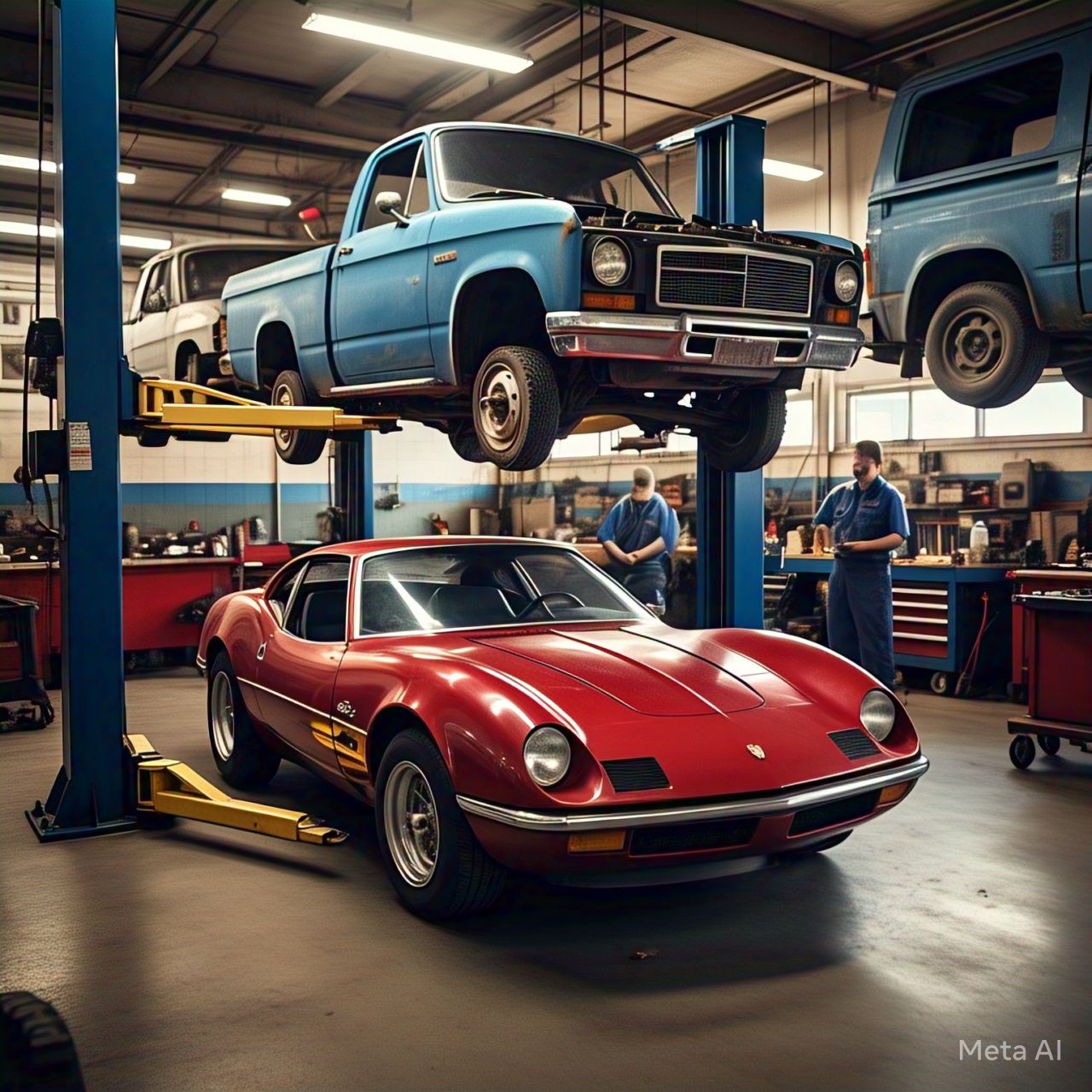
Fleet maintenance
Fleet maintenance is a critical aspect of managing a fleet of vehicles, ensuring they remain in optimal condition, and minimizing downtime! Effective fleet maintenance involves regular inspections, repairs, and replacements of vehicles and equipment to prevent breakdowns, reduce maintenance costs, and improve overall fleet efficiency.
Here are some key aspects of fleet maintenance:
1. Preventive Maintenance: Regularly scheduled maintenance, such as oil changes, tire rotations, and brake pad replacements, to prevent breakdowns and reduce repair costs.
2. Vehicle Inspections: Regular inspections to identify potential issues before they become major problems, including checks on fluids, belts, hoses, and other critical components.
3. Repair and Replacement: Prompt repair or replacement of faulty or worn-out components to minimize downtime and maintain fleet availability.
4. Maintenance Scheduling: Effective scheduling of maintenance activities to minimize disruptions to fleet operations and ensure that vehicles are available when needed.
5. Record Keeping: Accurate and detailed record keeping of maintenance activities, including repair history, to inform future maintenance decisions and ensure compliance with regulatory requirements.
6. Driver Training: Training drivers on proper vehicle maintenance, inspection, and reporting procedures to encourage a culture of maintenance awareness and responsibility.
7. Technology Integration: Leveraging technology, such as fleet management software and telematics systems, to streamline maintenance operations, track vehicle performance, and optimize fleet efficiency.
Benefits of effective fleet maintenance include:
1. Reduced Maintenance Costs: Preventive maintenance and timely repairs can help minimize maintenance costs and reduce the need for costly repairs.
2. Improved Fleet Availability: Regular maintenance and prompt repairs can help ensure that vehicles are available when needed, reducing downtime and improving fleet productivity.
3. Enhanced Safety: Well-maintained vehicles are safer to operate, reducing the risk of accidents and improving driver safety.
4. Extended Vehicle Life: Regular maintenance can help extend the life of vehicles, reducing the need for premature replacements and minimizing waste.
5. Improved Compliance: Effective fleet maintenance can help ensure compliance with regulatory requirements, reducing the risk of fines and penalties.
By prioritizing fleet maintenance, organizations can improve fleet efficiency, reduce costs, and enhance safety, ultimately contributing to the success and sustainability of their operations.

Timing tools
Using timing tools is a crucial step in ensuring the precise synchronization of engine components, such as valves, pistons, and crankshafts! Timing tools help technicians and mechanics to accurately set the timing of these components, which is essential for optimal engine performance, efficiency, and reliability.
Here are some key aspects of using timing tools:
Importance of Timing Tools:
1. Precise Synchronization: Timing tools ensure that engine components are precisely synchronized, which is critical for optimal engine performance and efficiency.
2. Prevents Engine Damage: Incorrect timing can cause engine damage, such as bent valves, damaged pistons, or cracked cylinder heads. Timing tools help prevent these issues.
3. Improves Engine Performance: Accurate timing ensures that the engine runs smoothly, with optimal power output, fuel efficiency, and reduced emissions.
Types of Timing Tools:
1. Timing Belts and Chains: Timing belts and chains are used to synchronize the rotation of the crankshaft and camshaft.
2. Timing Marks and Alignments: Timing marks and alignments are used to ensure that the engine components are properly aligned and synchronized.
3. Dial Indicators and Test Equipment: Dial indicators and test equipment are used to measure and verify the timing of engine components.
Best Practices for Using Timing Tools:
1. Consult the Repair Manual: Always consult the repair manual for specific instructions and guidelines for using timing tools.
2. Use the Correct Tools: Use the correct timing tools for the specific engine and application.
3. Follow Proper Procedures: Follow proper procedures for setting the timing, including aligning marks, tightening belts or chains, and verifying the timing with test equipment.
4. Double-Check the Timing: Double-check the timing to ensure that it is accurate and correct.
Common Mistakes to Avoid:
1. Incorrect Timing Marks: Incorrect timing marks can lead to improper synchronization of engine components.
2. Insufficient Tension: Insufficient tension on the timing belt or chain can cause it to slip or jump teeth, leading to engine damage.
3. Inaccurate Measurements: Inaccurate measurements can lead to incorrect timing, causing engine performance issues or damage.
By using timing tools correctly and following proper procedures, technicians and mechanics can ensure that engine components are precisely synchronized, resulting in optimal engine performance, efficiency, and reliability.
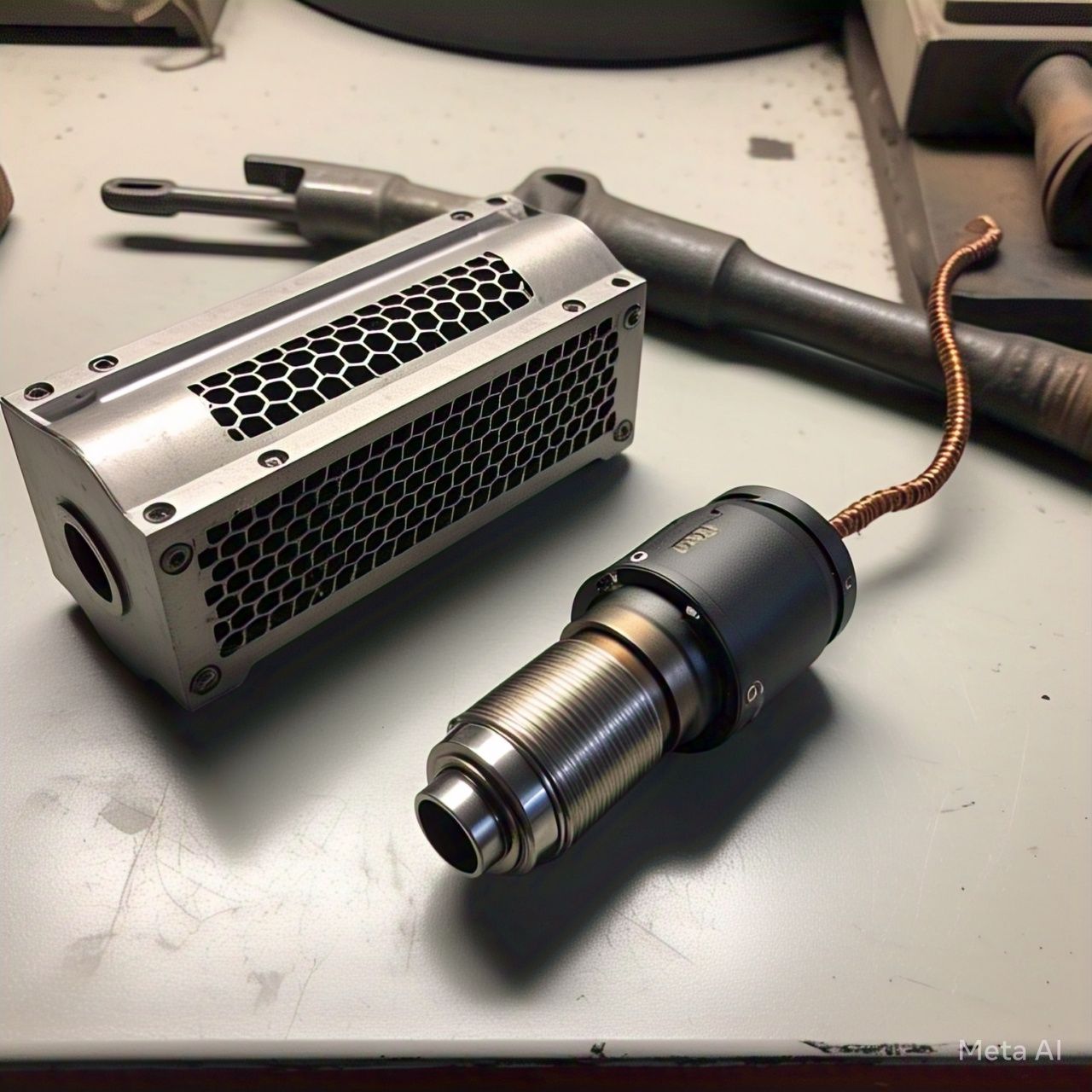
Catalytic Converters & Oxygen Sensors
Catalytic converters and oxygen (O2) sensors are two crucial components of a vehicle’s emission control system! These components work together to reduce harmful emissions, improve fuel efficiency, and ensure that the engine runs smoothly.
Here are some key aspects of catalytic converters and O2 sensors:
Catalytic Converters:
1. Function: Catalytic converters reduce harmful emissions, such as carbon monoxide (CO), hydrocarbons (HC), and nitrogen oxides (NOx), by converting them into less harmful gases like carbon dioxide (CO2), water vapor (H2O), and nitrogen (N2).
2. Types: There are three main types of catalytic converters: two-way, three-way, and diesel oxidation catalysts.
3. Materials: Catalytic converters contain precious metals like platinum, palladium, and rhodium, which facilitate the chemical reactions that reduce emissions.
4. Failure Modes: Catalytic converters can fail due to overheating, contamination, or physical damage, leading to decreased performance, reduced fuel efficiency, and increased emissions.
O2 Sensors:
1. Function: O2 sensors measure the oxygen levels in the exhaust gases and send this information to the engine control unit (ECU), which adjusts the fuel-to-air ratio to optimize engine performance and minimize emissions.
2. Types: There are two main types of O2 sensors: narrow-band and wide-band sensors.
3. Location: O2 sensors are typically located in the exhaust system, either upstream or downstream of the catalytic converter.
4. Failure Modes: O2 sensors can fail due to contamination, wear, or damage, leading to inaccurate readings, decreased engine performance, and increased emissions.
Relationship Between Catalytic Converters and O2 Sensors:
1. Feedback Loop: The O2 sensor provides feedback to the ECU, which adjusts the fuel-to-air ratio to optimize engine performance and minimize emissions. The catalytic converter then reduces the emissions based on the adjusted fuel-to-air ratio.
2. Interdependence: The catalytic converter and O2 sensor are interdependent, as the O2 sensor provides the necessary feedback for the ECU to adjust the fuel-to-air ratio, and the catalytic converter relies on this adjusted ratio to reduce emissions effectively.
Common Issues and Troubleshooting:
1. Catalytic Converter Failure: Symptoms include decreased engine performance, reduced fuel efficiency, and increased emissions. Troubleshooting involves checking for blockages, leaks, or damage to the converter.
2. O2 Sensor Failure: Symptoms include inaccurate readings, decreased engine performance, and increased emissions. Troubleshooting involves checking for contamination, wear, or damage to the sensor.
By understanding the functions, types, and relationships between catalytic converters and O2 sensors, you can better diagnose and troubleshoot issues related to these critical emission control components.

Something to say about electric vehicles
Electric cars are finally gaining traction in South Africa! With the country’s growing focus on sustainable energy and reducing carbon emissions, electric vehicles (EVs) are becoming increasingly popular. Here’s a snapshot of the current state of electric cars in South Africa:
Government Initiatives:
1. Tax incentives: The South African government has introduced tax incentives to encourage the adoption of EVs. These incentives include a reduced customs duty and a lower ad valorem tax.
2. Investment in charging infrastructure: The government has committed to investing in the development of charging infrastructure across the country.
Electric Car Models Available:
1. Jaguar I-PACE: The Jaguar I-PACE was one of the first luxury electric SUVs to be launched in South Africa.
2. Nissan Leaf: The Nissan Leaf is a popular electric hatchback that has been available in South Africa since 2019.
3. BMW i3: The BMW i3 is a compact electric car that has been available in South Africa since 2015.
4. Tesla Model 3: Tesla’s popular Model 3 is expected to arrive in South Africa soon.
Charging Infrastructure:
1. Growing network: South Africa’s charging infrastructure is expanding rapidly, with many shopping centers, office parks, and fuel stations installing charging points.
2. Types of charging points: There are currently three types of charging points available in South Africa: Level 2 (22kW), DC Fast Charging (50kW), and Tesla Superchargers.
Benefits of Electric Cars:
1. Environmental benefits: Electric cars produce zero tailpipe emissions, reducing greenhouse gas emissions and air pollution.
2. Lower operating costs: Electric cars are generally cheaper to run, with lower fuel costs (electricity is often less expensive than petrol or diesel) and lower maintenance costs.
3. Smooth and quiet ride: Electric cars provide a smooth and quiet ride, making them ideal for city driving.
Challenges:
1. Range anxiety: Many South Africans are still concerned about the limited range of electric cars, although this is improving with new models offering longer ranges.
2. High upfront costs: Electric cars are often more expensive than their petrol or diesel counterparts, although their lower operating costs can make up for this over time.
3. Limited charging infrastructure: While charging infrastructure is expanding, it can still be limited in some areas, making it essential to plan routes and charging stops carefully.
Overall, electric cars are becoming increasingly popular in South Africa, and with the government’s support and investment in charging infrastructure, the future of electric mobility in the country looks bright!

Various sensors & ECU (engine control unit)
Car sensors and the Engine Control Unit (ECU) are the brain and nervous system of modern vehicles! Sensors provide vital data to the ECU, which uses this information to make decisions and control various engine and vehicle functions.
Here’s how it works:
Car Sensors:
1. Types: There are numerous sensors in a vehicle, including crankshaft position sensors, camshaft position sensors, oxygen sensors, coolant temperature sensors, manifold absolute pressure sensors, and many more.
2. Functions: Each sensor measures a specific parameter, such as engine speed, temperature, pressure, or airflow.
3. Signals: Sensors send electrical signals to the ECU, which interprets these signals to determine the engine’s operating conditions.
Engine Control Unit (ECU):
1. Functions: The ECU receives data from various sensors and uses this information to control engine functions, such as fuel injection, ignition timing, and emissions.
2. Decision-Making: The ECU makes decisions based on the data received from sensors, using pre-programmed algorithms and maps to determine the optimal engine settings.
3. Actuation: The ECU sends electrical signals to various actuators, such as fuel injectors, ignition coils, and throttle valves, to implement its decisions.
Communication Between Sensors and ECU:
1. Wiring: Sensors are connected to the ECU through a network of wires, which transmit electrical signals between the sensors and the ECU.
2. Protocols: Modern vehicles use advanced communication protocols, such as CAN (Controller Area Network) or LIN (Local Interconnect Network), to enable efficient and reliable data exchange between sensors and the ECU.
Troubleshooting and Diagnostics:
1. Scan Tools: Technicians use scan tools to communicate with the ECU and retrieve data from sensors, helping to diagnose issues and troubleshoot problems.
2. Error Codes: The ECU stores error codes, which provide valuable information about sensor faults, engine problems, or other issues.
In summary, car sensors and the ECU work together to create a sophisticated control system that enables modern vehicles to run efficiently, cleanly, and safely. Understanding how these components interact is essential for diagnosing and repairing complex engine and vehicle problems.
The “Right to Repair” is now yours
The Right to Repair campaign in South Africa aims to promote competition and reduce costs for vehicle owners by allowing them to choose where they have their vehicles repaired.
Key aspects of the Right to Repair in South Africa:
1. Freedom to choose: Vehicle owners have the right to choose where they have their vehicles repaired, without voiding the manufacturer’s warranty.
2. Access to information: Manufacturers must provide independent repairers with access to the same technical information and training as their authorized dealerships.
3. Competition: The Right to Repair promotes competition among repairers, which can lead to lower prices and better services for consumers.
4. Job creation: By allowing independent repairers to compete with authorized dealerships, the Right to Repair can create new job opportunities in the automotive sector.
Benefits of the Right to Repair:
1. Cost savings: Vehicle owners can save money by choosing independent repairers who may offer lower prices than authorized dealerships.
2. Increased competition: The Right to Repair promotes competition, which can lead to better services and higher quality repairs.
3. Job creation: The Right to Repair can create new job opportunities in the automotive sector.
Challenges and controversies:
1. Manufacturer resistance: Some manufacturers have resisted the Right to Repair, citing concerns about safety and quality.
2. Lack of regulation: The lack of clear regulations and standards has created uncertainty and confusion among vehicle owners and repairers.
Overall, the Right to Repair in South Africa aims to promote competition, reduce costs, and create new job opportunities in the automotive sector.
CERTIFICATIONS



Happy Customers

“I have always made use of their excellent auto repair services and have never been dissapointed”

Shawn Bergh
“I was referred to Charl, the owner, and received fantastic services on my vehicle even though it was a very challenging problem”

Danté Schoeman

Book an appointment
OUR NEW ADDRESS
CORNER OF JAKES GERWEL AND MILTON ROAD
NO. 3 BLOEM STREET
TOWNSEND ESTATE
GOODWOOD
7460